Good Mileage For A Used Car

So you're on the hunt for a used car, and suddenly you're squinting at the odometer like it holds the secrets to the universe. Sound familiar? Good mileage is one of the bigge...
So you're on the hunt for a used car, and suddenly you're squinting at the odometer like it holds the secrets to the universe. Sound familiar? Good mileage is one of the biggest things buyers obsess over—and honestly, it can make or break your next big purchase.
Here's the good news: understanding mileage isn't rocket science. Once you know the benchmarks, you'll feel like a total pro walking onto that dealership lot. Let's dig in!
What Does "Good Mileage" Actually Mean?
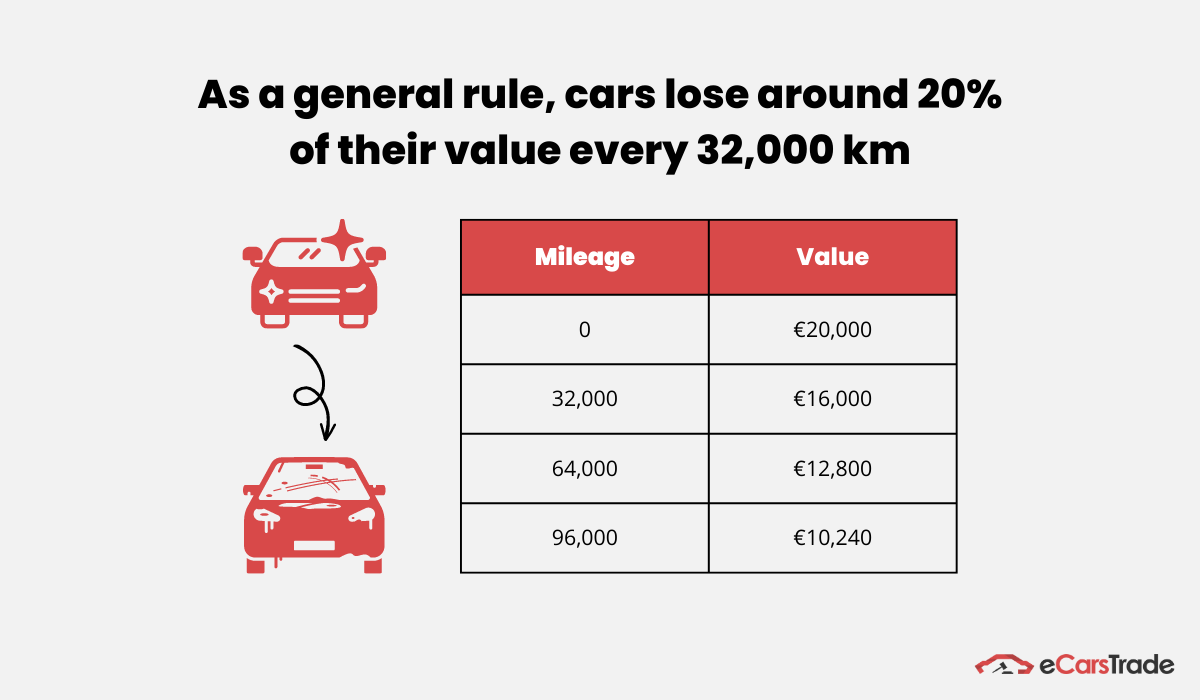
Most industry folks set the magic bar at around 12,000 to 15,000 miles per year. So a five-year-old car with about 60,000 to 75,000 miles? That's perfectly respectable. You're already ahead of the game just knowing that number.
Must Read
But here's a little secret most people miss: mileage alone doesn't tell the whole story. A well-maintained car with 90,000 miles can outperform a neglected one with 40,000. Always check those maintenance records!
The Sweet Spot by Car Age
For a car that's one to three years old, under 45,000 miles is fantastic. Between three and six years old, aim for somewhere under 75,000 miles—that's the range where you'd usually land. And for cars six years and older, anything under 100,000 miles still shows plenty of life left.
These ranges give you a solid starting point for comparison shopping. Think of them as your friendly neighborhood cheat codes for the used car game!
Why Lower Mileage Isn't Always Better
Here's something that might surprise you: a very low-mileage older car can actually be a red flag. Cars are built to be driven, not sit in a garage collecting dust—seals dry out, batteries die, and tires go flat. A car with moderate, consistent mileage often means someone cared enough to keep it running properly.
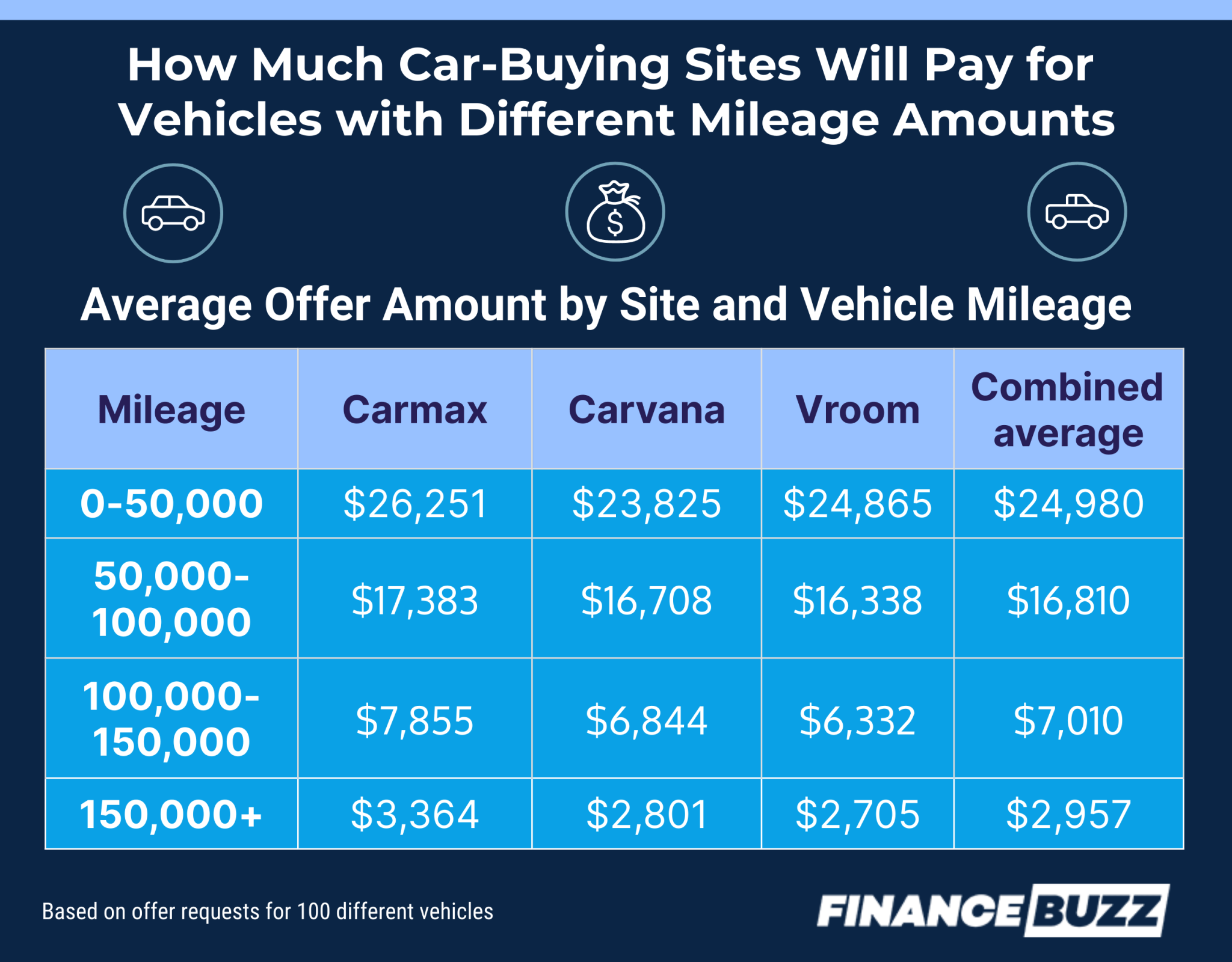 Carmax Pays the Max For Your Used Car, Study Shows
On the flip side, a super-low-mileage car might mean it was rarely used or, worse, had problems that kept it parked. Always ask yourself: why is the mileage so low?
Bigger Mileage Can Mean Bigger Deals
Sellers tend to price higher-mileage cars lower—and that's your opportunity to save some serious cash. If the vehicle has a clean history report and solid maintenance records, those extra miles might not matter much at all. Who doesn't love a good bargain?
You could end up with a reliable ride at a fraction of the usual cost. Now that's something to smile about!
Mileage and Resale Value: The Bigger Picture
Think about the future for a moment—because smart buyers always do. Cars with lower annual mileage and clear service histories tend to hold their resale value longer. When it's time for your next upgrade, that decision today could pay you back.
 What Is A Good Mpg For A Used Car
So don't just think about buying today. Consider how your purchase will look three, five, or even seven years down the road—literally!
How to Use Mileage in Your Negotiation Power
Walk in armed with your research and you've already won half the battle. Point out if the mileage is above average for the year, or if there's a missing service history—those are legitimate talking points. Sellers respect a buyer who knows their stuff.
On the other hand, if the mileage is impressively low for the age? Celebrate! Use it as confirmation you've found a gem before you even turn the key.
The Road Ahead Is Yours
Here's why all of this really matters: the right used car with good mileage opens doors to adventure. Weekend road trips, spontaneous drives along the coast, morning commutes you actually enjoy—none of it works if you're stuck with a clunker. Knowing what good mileage looks like puts you in the driver's seat, quite literally.
Every mile on that odometer tells a story, and now you know how to read it. You've got the knowledge, the benchmarks, and the confidence to make your next car purchase a truly exciting one. So go explore, keep learning, and remember—a world of open roads and great deals is waiting for you out there!
