What Does A Knock Sensor Do

So, picture this: you're driving up a hill, engine working hard, radio playing something you actually like, when suddenly your car makes a weird pinging sound. Not a pleasant...
So, picture this: you're driving up a hill, engine working hard, radio playing something you actually like, when suddenly your car makes a weird pinging sound. Not a pleasant one — like someone tapping tin foil inside your engine. You panic, press the gas, and hope the noise fades. It's one of those moments where you wonder if your car is fine... or if it just whispered its last.
Now here's the thing — your car probably wasn't dying. It was knocking. And there's a little unsung hero inside your engine that works around the clock to make sure that noise doesn't turn into a catastrophe. That hero? The knock sensor.
Okay, But What Is Engine Knock Anyway?
Engine knock happens when fuel ignites at the wrong time inside the cylinder. Instead of a smooth, controlled explosion, you get random little blasts that pound against the cylinder walls. It's messy, it's loud, and over time it can seriously damage your engine.
Must Read
Think of it like a party where someone lights fireworks before the countdown. Everyone gets startled, things break, and somebody's mad. That's engine knock — but , subtract the fun.
This single combustion issue can erode pistons, warp cylinders, and even punch holes if left unchecked. And the scary part? You might not notice until the damage is done. That's exactly why your engine needs a babysitter — I mean, a sensor.
Enter: The Knock Sensor
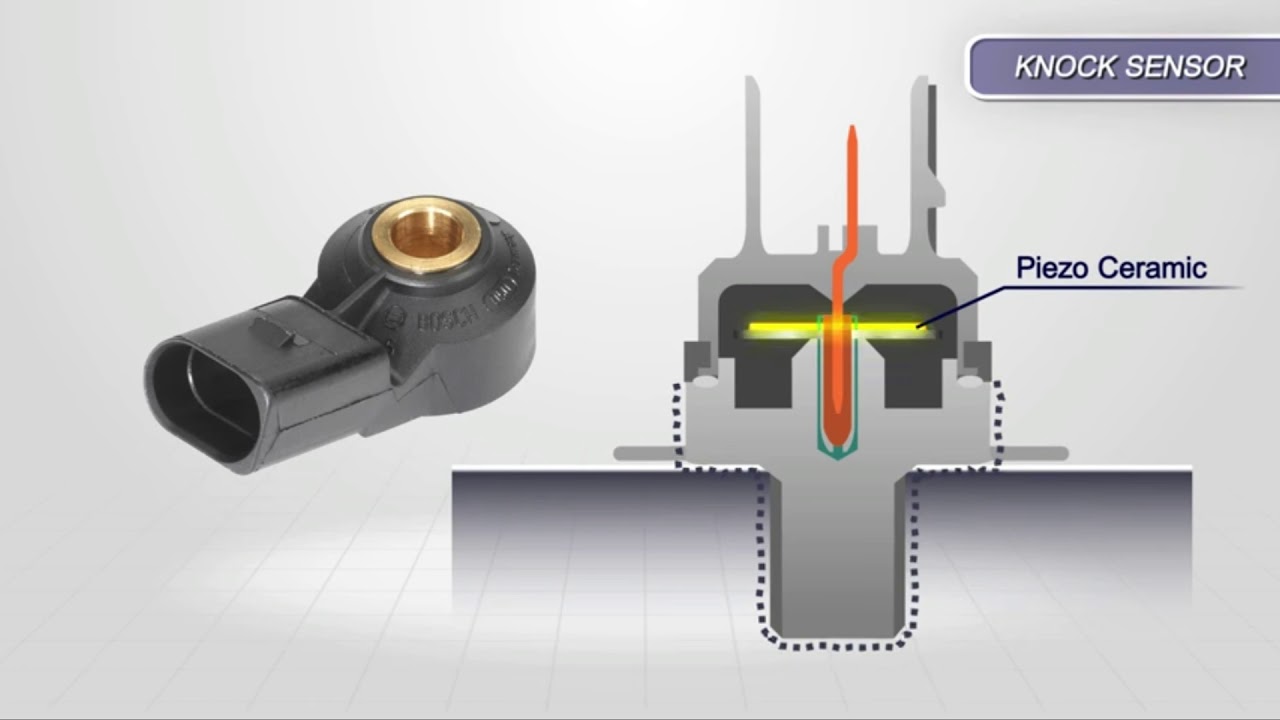
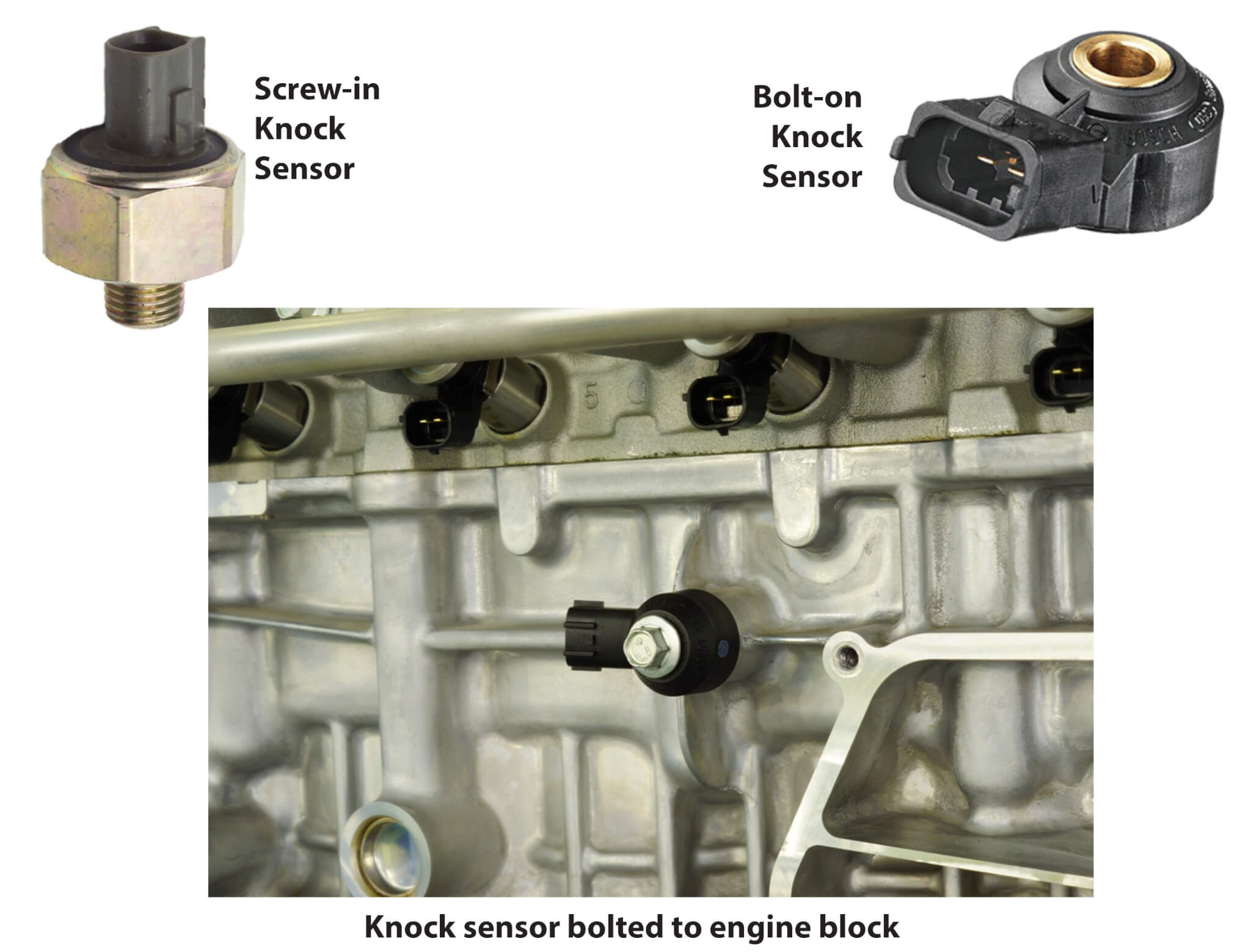
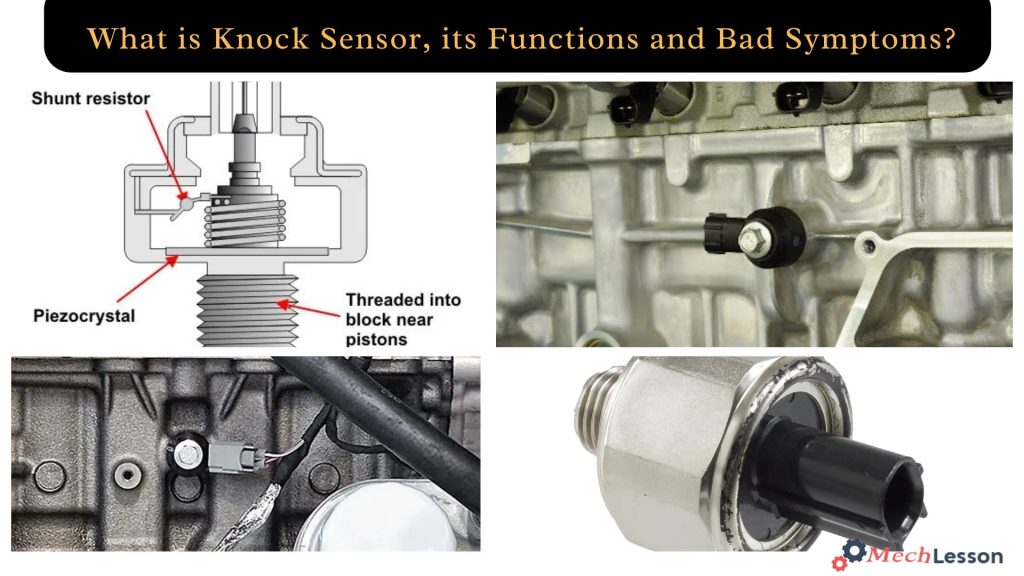
A knock sensor is basically a microphone bolted to your engine block. It listens for the vibration patterns that indicate knock and feeds that information straight to the car's ECU. Yes, your engine is being watched. No, it has no privacy.
When the sensor detects something suspicious, it sends a signal to the computer — often called the engine control unit. The ECU then adjusts the ignition timing in real time to stop the knocking before anything bad happens. It's like your engine's own early warning system on autopilot.
 What Does A Knock Sensor Do For A Car
(Side note: if your knock sensor is running smoothly, you probably never think about it. If it's broken? You'll hear it, feel it, and regret ignoring that check engine light.)
How Does It Actually Work?
The sensor uses something called piezoelectric material — fancy talk for a crystal that turns vibration into an electrical signal. When abnormal vibrations hit, the crystal jitters and sends a voltage spike to the ECU. The computer compares that signal against known frequencies to confirm it's actual knock.
If confirmed, the ECU pulls back the spark timing, sometimes by just a fraction of a degree. Other times it adjusts fuel mixture too, because sometimes the air-to-fuel ratio is causing the issue. Either way, the response is fast — we're talking milliseconds.
Your engine does this dance constantly, especially under load — hills, towing, high RPMs. The knock sensor makes sure performance stays reliable without sacrificing engine integrity. Pretty clever for a component most drivers have never even heard of, right?
What Happens When the Knock Sensor Fails?
Without a working knock sensor, the ECU can't monitor knock effectively. That means the engine might run lean, spark too early, or sustain knock longer than it should. Symptoms include reduced power, poor fuel economy, metallic pinging sounds, and the dreaded check engine light.
 What Does A Knock Sensor Do For A Car
It's also worth noting that some people replace their knock sensor with a bypass wire to avoid the repairs. Don't do that. Removing safety net so your engine can brute-force its way through problems is not a strategy — it's a gamble with metal.
You might save a few dollars today. Next month, you could be rebuilding the engine. And trust me, that bill will sting significantly more than a sensor replacement would have.
The Quiet Guardian You Didn't Know You Had
Here's what I love about the knock sensor: it does its job without asking for praise. No flashing dashboard messages, no celebrity status in the car world — just silent vigilance. It watches, listens, and intervenes the moment things go sideways.
Most car parts get attention only when they fail. The knock sensor deserves credit before that happens, because it's essentially playing defense every single time you start the engine. That's not a small job — that's a team of one keeping your engine alive.
So next time your engine purrs up a hill without a single hiccup, remember there's a tiny sensor behind that smooth ride. It's probably doing its job right now as you read this. And honestly? That's the best kind of quiet — the kind that means everything is working exactly as it should.
