How Long Does It Take To Cook Pasta

There's something almost meditative about watching pasta tumble in a pot of boiling water. The bubbles dance around each shape, and in those small minutes, you feel like a mod...
:max_bytes(150000):strip_icc()/Spruce_Cook_Pasta_Perfectly_Every_Time_2014713_V2-902c94e6dac24d41bc22713175cc284d.png)
There's something almost meditative about watching pasta tumble in a pot of boiling water. The bubbles dance around each shape, and in those small minutes, you feel like a modern-day alchemist transforming flour and water into comfort. But how long does it really take to cook pasta to perfection?
The Classic Benchmark
Most dried pasta varieties land squarely in the 8 to 12 minute range. Think penne, farfalle, and spaghetti all follow this general rule. The package instructions are your starting point, but your taste buds should always have the final say.
Of course, not all pasta is created equal. Fresh pasta, like those handmade by Italian nonnas for centuries, can be ready in as little as two to three minutes. It's a huge difference that catches many first-time cooks off guard.
Must Read
Why Shape Matters More Than You Think
Thick, chunky shapes like rigatoni and shells need more time than delicate strands. The heat has to travel deeper into each piece, so plan for the upper end of that cooking window. Tossing them in at the right moment ensures even cooking throughout.
Thinner shapes, such as angel hair or capellini, can be overcooked in under five minutes if you're not watching closely. This is the pasta version of a blink-and-you-miss-it moment. Keep a fork nearby and test often.
Stuffed pasta like ravioli and tortellini can actually take anywhere from three to fifteen minutes, depending on the filling. Frozen stuffed pasta will naturally need a few extra minutes. There's a real art to knowing when the filling is heated through without the wrapper falling apart.
Al Dente: The Golden Standard
Every great Italian cook will tell you the same thing: pasta should be al dente, which literally means "to the tooth" in Italian. This means the pasta is cooked but still firm when you bite into it. It should offer a gentle resistance, never feel mushy, and certainly never taste raw.
The trick is to start tasting about two minutes before the package says it's done. Pull a piece out, bite it, and notice the center. You're looking for a tiny white core that's just barely there — that's the sign of perfection.
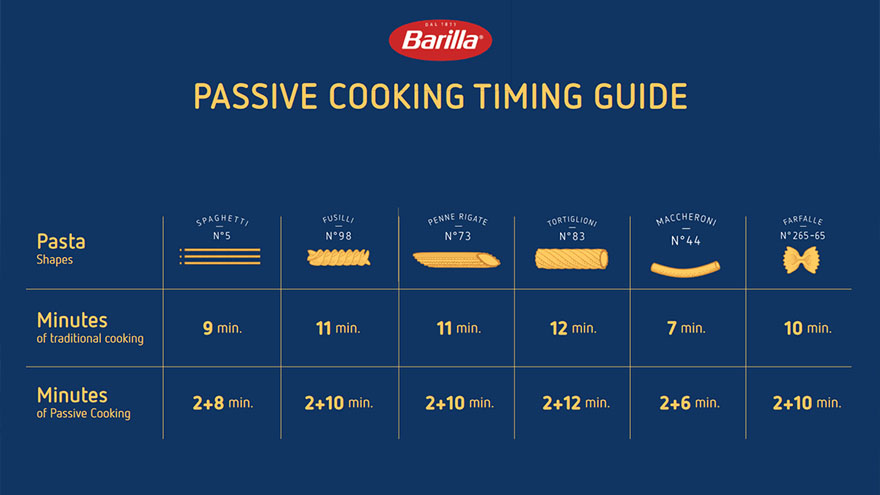 This Nigella-approved ‘passive cooking’ pasta hack could save you money
Here's a fun fact: in many parts of northern Italy, people actually prefer pasta more well-done than al dente demonstrates. Regional preferences vary wildly, and debates about texture have sparked dinner table arguments for generations.
Practical Tips for Perfect Timing
Always use a large pot with plenty of water — at least four to six quarts for one pound of pasta. The pasta needs room to move freely so it cooks evenly. Crowded pasta clumps together, which forces you to cook longer and risks unevenness.
Wait until the water is at a rolling boil before dropping your pasta in. Adding it to lukewarm water creates gummy, sticky results. Salt the water generously, but note that salt doesn't meaningfully change cooking time — it just seasons the pasta from the inside.
Do you need oil in the water? Actually, no. Most chefs say skip it because oil coats the pasta surface and prevents sauce from clinging. That little tablespoon of olive oil might be stealing some of your sauce's glory.
One of the most overlooked tips is reserving pasta water before draining. Even a small cupful of starchy water can transform your sauce into something silky and cohesive. It's the Italian cook's secret weapon in almost every recipe.
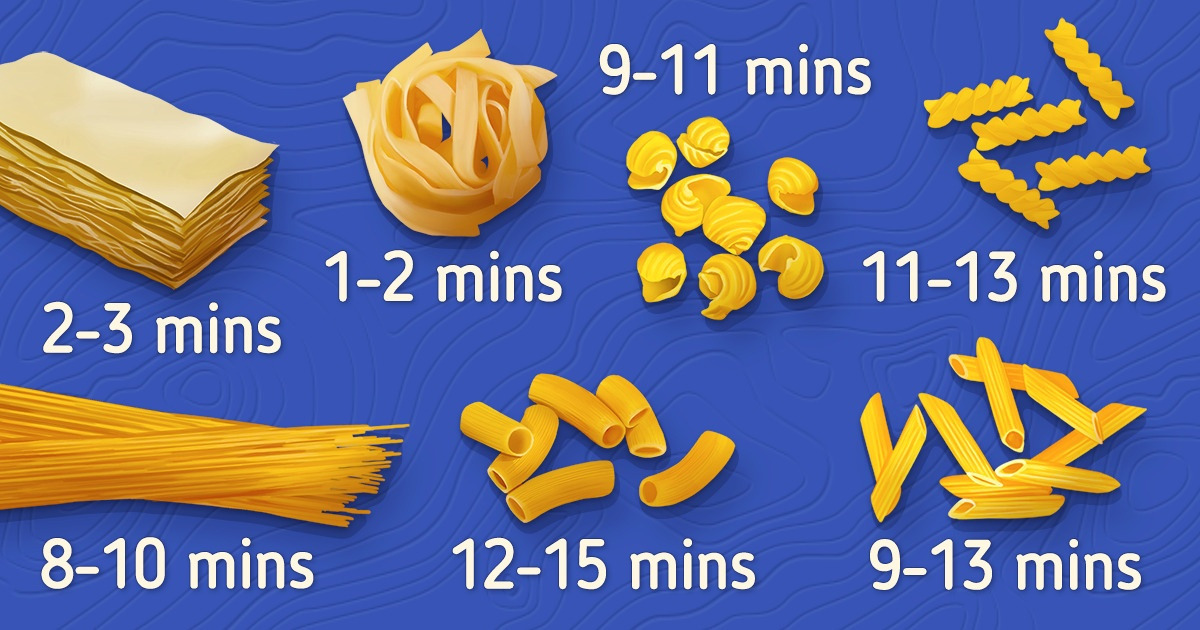 How Long You Need to Boil Different Types of Pasta
The Sauce Connection
Here's something many home cooks forget: timing your pasta with your sauce is everything. You should ideally finish cooking your pasta in the last minute directly in the pan with the sauce. This allows the starch to marry together beautifully, creating a dish far greater than the sum of its parts.
That final toss in the sauce also gives you a brief window to absorb any remaining doneness. The pasta continues to soften just slightly off the heat, which means pulling it a touch early is almost always safer. Restaurants across Rome and Naples master this technique every single night.
Sunday gravy, carbonara, pesto — each sauce asks for a slightly different finish. Lighter sauces like cacio e pepe benefit from more starchy pasta water and a tighter al dente bite. Heartier ragùs can afford a little more tenderness.
The Global Pasta Timeline
Italy alone has over 350 different pasta shapes, each with its own ideal cooking time. Regions like Emilia-Romagna are famous for fresh egg pasta that barely needs a minute in salted water. Meanwhile, in Sicily, baked pasta dishes can spend forty-five minutes in the oven after boiling.
Around the world, noodle cultures have their own timelines. Japanese udon often cooks longer than Italian varieties due to its thick, chewy profile. Chinese egg noodles are typically ready in just two or three minutes in a screaming-hot wok.
A Little Reflection
Pasta timing is a small thing, but it mirrors something bigger about daily life. We all need to pay attention, taste as we go, and accept that permanence and precision exist in balance. In the end, cooking pasta teaches us the simple joy of being present in the moment.
:max_bytes(150000):strip_icc()/Spruce_Cook_Pasta_Perfectly_Every_Time_2014713_V2-902c94e6dac24d41bc22713175cc284d.png&description=How+Long+Does+It+Take+To+Cook+Pasta)