What Does Breaking The Fourth Wall Mean?

So, you've probably heard the phrase "breaking the fourth wall" thrown around, right? Maybe in a movie, a TV show, or even a YouTube video. But what does it actually mean, and...

So, you've probably heard the phrase "breaking the fourth wall" thrown around, right? Maybe in a movie, a TV show, or even a YouTube video. But what does it actually mean, and where did this weird-sounding term even come from?
Let's grab a coffee — or a tea, no judgment — and dive into this little pop culture mystery together. Trust me, it's more fun than it sounds.
Okay, So What Exactly Is the Fourth Wall?
In theater, a stage usually has three visible walls — the back wall and two side walls that the audience can see. The fourth wall is an imaginary boundary between the actors and you, the audience sitting there enjoying the show.
Must Read
It's like an invisible glass window that keeps the fictional world separate from the real one. The actors pretend you don't exist, and you pretend they're completely unaware of your presence. Pretty neat, yeah?
The term "fourth wall" has roots going way back to the 18th century. The French philosopher Denis Diderot actually coined the concept while talking about realism in drama.
He argued that the best theater feels so natural that the audience forgets they're watching a performance. Basically, don't break the illusion — right?
But What Happens When It Gets Broken?
Here's where things get deliciously weird. When a character looks directly at the camera and speaks to you, they've broken the fourth wall.
It shatters that invisible boundary instantly and reminds you that, yes, you are watching something. And honestly? It's oddly thrilling.
Think about Ryan Reynolds in Deadpool. The guy constantly talks to the audience, cracks jokes about being in a movie, and even references his own casting. It's hilarious, it's meta, and it works because the fourth wall is gone, gone, gone.
 PPT - Breaking the Fourth Wall PowerPoint Presentation, free download
It's Not Just Movies — It's Everywhere
Breaking the fourth wall shows up in all sorts of mediums. Television series like Fleabag pulled it off beautifully, with the main character turning to the camera like your best confidant sharing a secret.
Video games do it too — Undertale and Spec Ops: The Line are famous examples. Books occasionally do it as well, like when The Catcher in the Rye almost feels like Holden is talking right to you.
Even comic strips and webtoons play with this idea. One moment you're following a character's adventure, and suddenly they wink at you mid-panel. Talk about mind-bending, right?
Why Do Creators Do It Anyway?
The number one reason is connection. Breaking the fourth wall bridges the gap between the character and the viewer, making you feel like you're part of the inside joke.
It builds an immediate bond — almost like a little conspiracy between you and the creator. "Hey, you and I both know this is fiction, and that's totally fine."
It also adds humor and surprise. There's something inherently funny about a character who knows they're in a story and doesn't care one bit. Deadpool is basically the poster child for this approach.
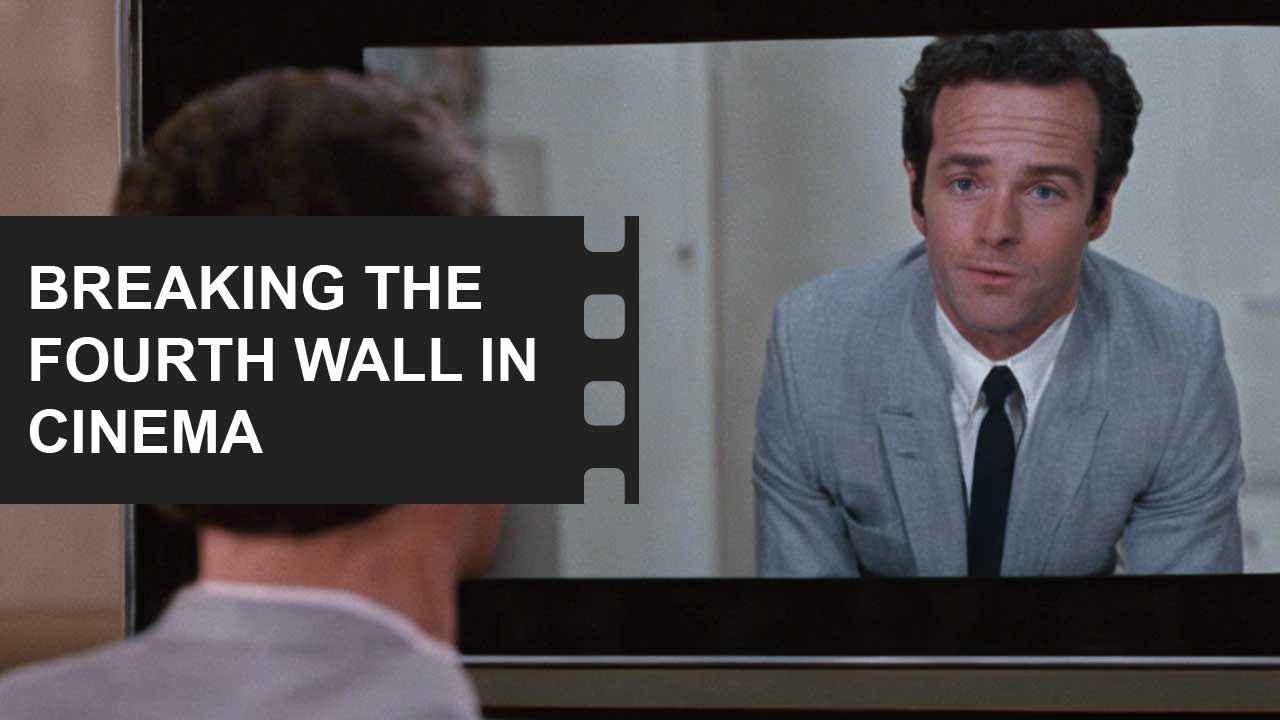 What does Breaking the Fourth Wall Mean? Definition & Film Examples
Is It Always a Good Thing?
Not necessarily. If it's overused or poorly executed, it can feel annoying — like a comedian who leans too hard on one joke. You start rolling your eyes instead of laughing.
It also depends heavily on context. A serious drama suddenly having a character stare into the camera for no reason? Yeah, that would throw almost everyone off.
The key is that it has to serve a purpose, whether it's humor, emotional tension, or narrative cleverness. Done right, it's gold. Done wrong, it's cringey — and we've all seen those cringey moments, haven't we?
So, Quick Recap for the Road
The four walls are three visible ones plus the imaginary fourth separating story from audience. Breaking it means a character acknowledges your existence, and it changes everything about the dynamic.
It's a tool — a powerful one when used with care. From Shakespeare to Deadpool, it's been entertaining audiences for centuries, and honestly, we can't imagine modern storytelling without it.
Next time you see a character looking directly at you, give a little nod — they just knocked on your fourth wall. And who knows? Maybe you'll feel a little more seen because of it.
Now, shall we go watch something that does this really well? I've got some recommendations. Or we could just keep chatting — your call.
