Can You Freeze Braunschweiger Liverwurst

There's something oddly satisfying about a package of Braunschweiger sitting in your fridge. It's bold, it's creamy, and it's been a deli-counter favorite for generations. But...
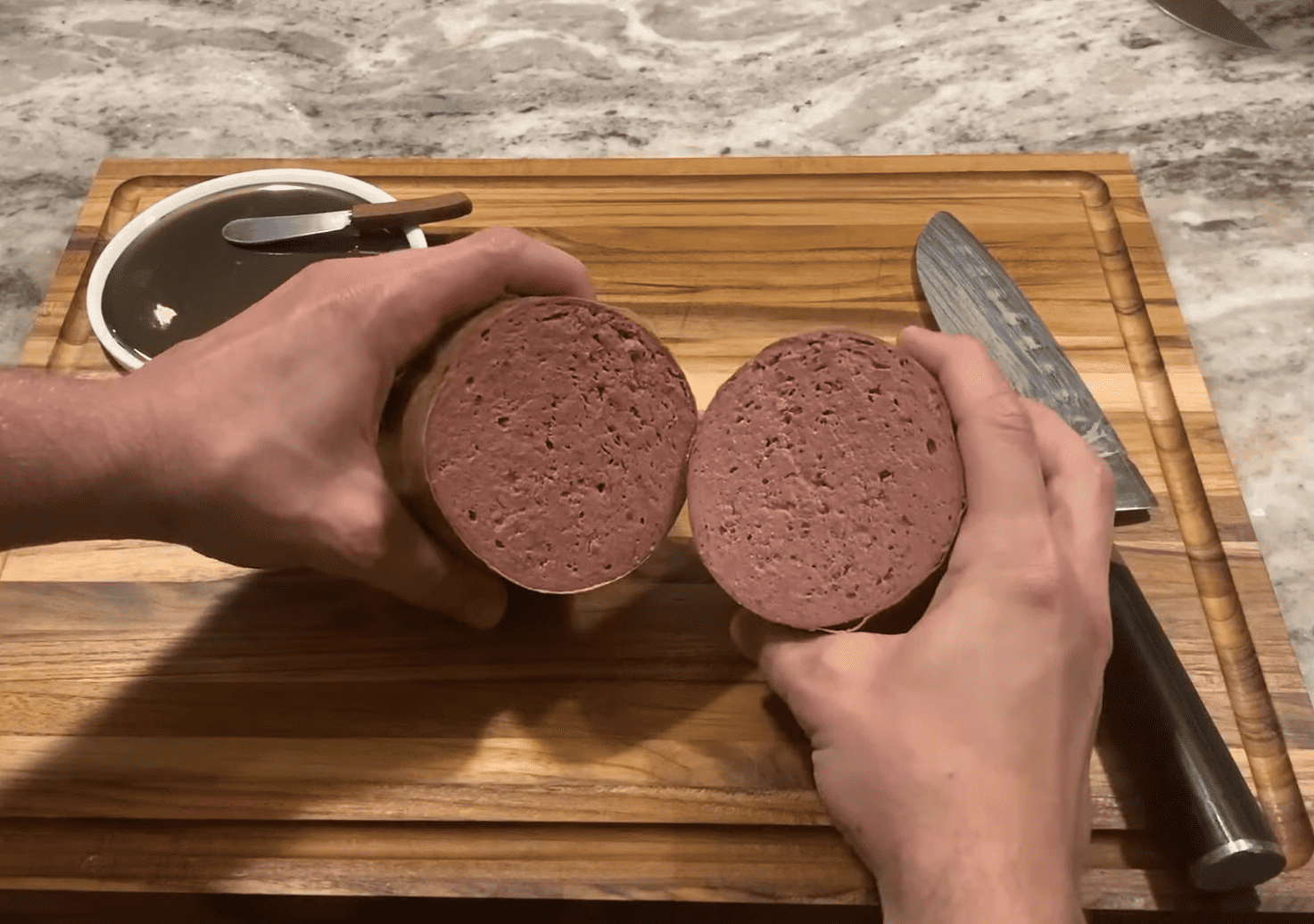
There's something oddly satisfying about a package of Braunschweiger sitting in your fridge. It's bold, it's creamy, and it's been a deli-counter favorite for generations. But what about that half-eaten roll you're not planning to finish tonight?
Freezing is one of those kitchen moves that feels simple until you're not sure whether the result will be edible or a texture disaster. Let's cut through the confusion and talk about what really happens when Braunschweiger meets the freezer.
What Exactly Is Braunschweiger?
Before we talk cold storage, a quick refresher is worth it. Braunschweiger is a type of liverwurst made from liver (usually pork or beef), spices, and often a bit of fat to keep it marvelously spreadable.
Must Read
The German city of Braunschweig gave this spread its iconic name, and it's become a staple in American deli culture. Think of it as the smooth operator of the cold cut world — unapologetically rich and surprisingly versatile.
It's also packed with nutrients like iron, vitamin A, and B vitamins, making it one of those snack foods that actually earns its place on your plate. Not bad for something most people reach for at midnight.
The Big Question: Can You Freeze It?
The short answer is yes, absolutely — Braunschweiger can be frozen without turning into culinary chaos. The key lies in how you handle it before and after it goes into the freezer.
Commercially packaged liverwurst often freezes quite well, particularly if it hasn't been opened. Once opened, though, you'll want to take a few precautionary steps to preserve that signature smoothness.
How to Freeze Braunschweiger the Right Way
First, wrap it tightly. Press out as much air as possible from the packaging, then slide the roll or block into a freezer-safe ziplock bag. Air is the enemy of any frozen spread — it invites freezer burn, which can give your liverwurst that dreaded icy, dry texture.
If your Braunschweiger comes in a plastic casing, consider wrapping the whole thing in an extra layer of aluminum foil. This double barrier adds peace of mind and keeps the flavor locked in longer.
Label the package with the date. It's a small habit, but future-you will definitely thank present-you when you're rummaging through a crowded freezer at 10 PM.
How Long Can You Keep It Frozen?
For the best taste and texture, aim to consume your frozen Braunschweiger within one to two months. You can technically push it to three months, but beyond that, you risk losing both flavor and that beloved creamy mouthfeel.
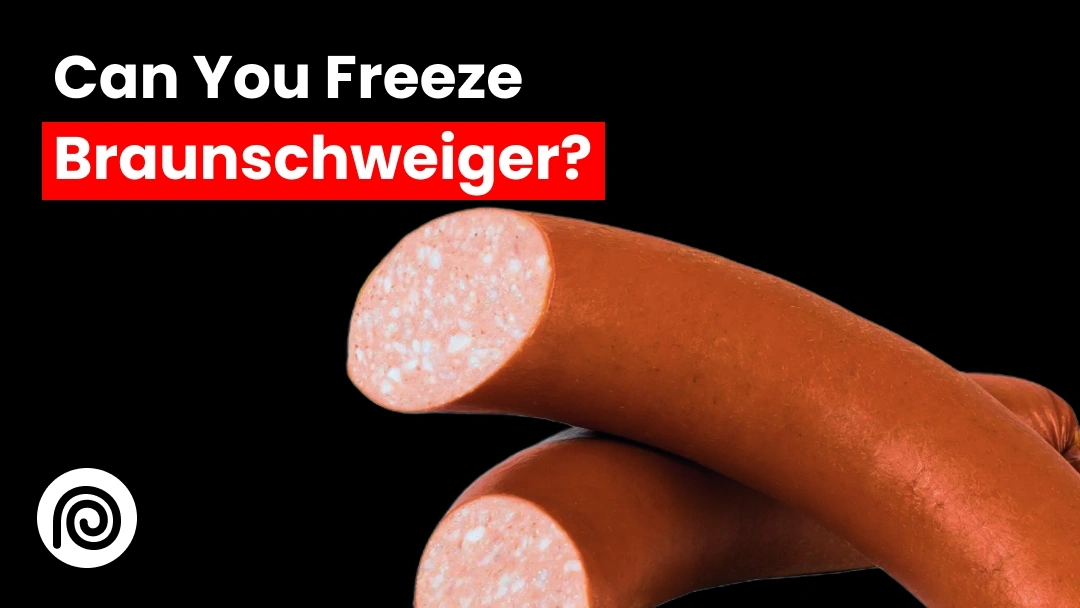 Can You Freeze Braunschweiger? How Long Can You Store It?
Opened packages tend to have a shorter freezer shelf life than unopened ones. It's always better to eat it sooner than to play freezer roulette.
Thawing: The Make-or-Break Step
Once you're ready to enjoy it again, the best method is refrigerator thawing. Just move the package from the freezer to the fridge and let it slow-thaw overnight.
Patience really is a virtue here — rushing it in the microwave can create uneven temperatures and a melted mess around the edges. If you need it quickly, defrost it on a low microwave setting in short intervals, checking often.
Never refreeze Braunschweiger that has been completely thawed. Repeated freeze-thaw cycles will wreck both the texture and the food safety of your beloved spread.
Does the Texture Change?
Here's where honesty matters: freezing can slightly alter the consistency of liverwurst. Because Braunschweiger has a higher fat content than some other cold cuts, it may separate a little after thawing.
Stir it gently, and it should return to a near-original spreadable state. Most people honestly can't tell the difference in a blind tastetest.
Of course, if you're serving it at a fancy brunch, fresh-from-the-deli Braunschweiger will always have that edge. For everyday sandwiches and late-night crackers, though, frozen-and-thawed tastes perfectly fine.
Fun Facts About Liverwurst
Liverwurst has been a staple across Central and Eastern Europe for over a thousand years. Ancient Romans documented versions of it, proving that people have always been wild about spreads with a deep, meaty flavor.
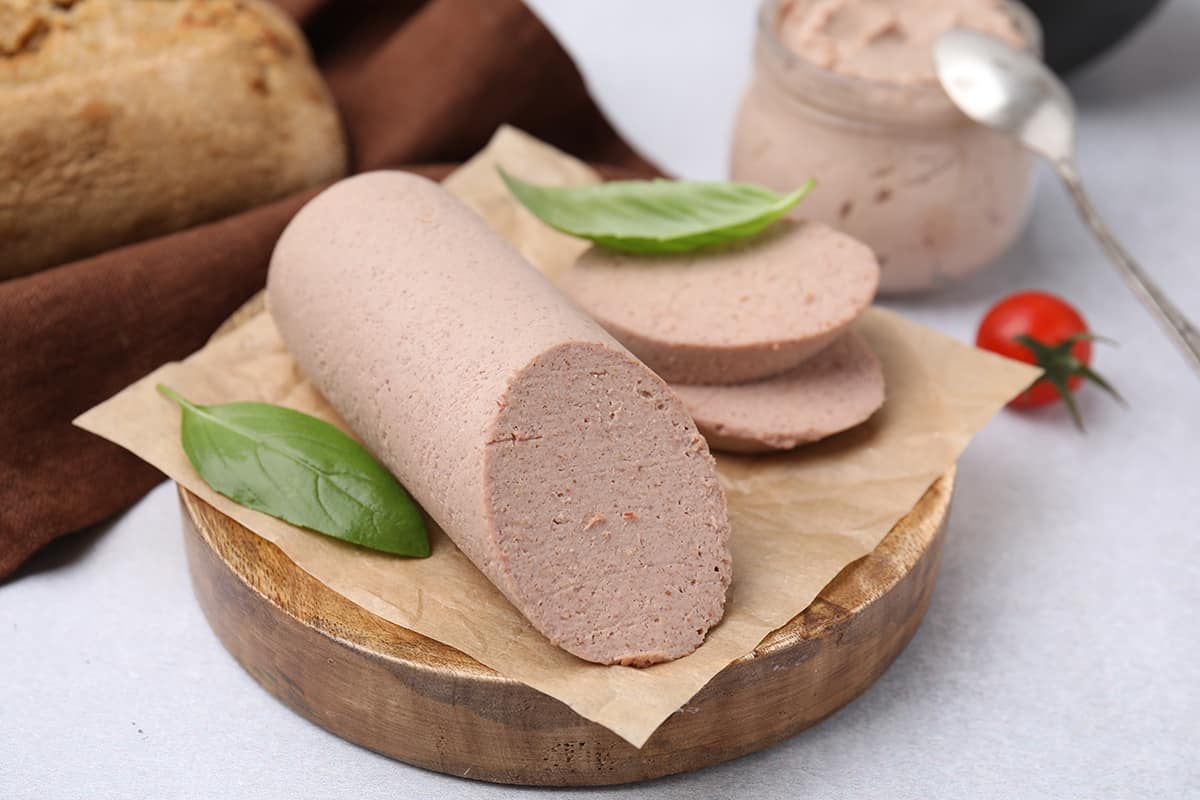 Can You Freeze Braunschweiger? - HowdyKitchen
In parts of Germany today, buying Braunschweiger from a local butcher is still treated as a small ritual. There's even a centuries-old saying roughly translating to, "A good liverwurst needs no introduction."
On American road trips, Braunschweiger on a crusty roll with mustard and pickles is considered an underrated classic. It's the kind of simple comfort food that never trends on social media — until someone posts a beautifully plated version with crackers and fig jam.
Practical Tips for Any Freezer Enthusiast
If you buy Braunschweiger in bulk (and honestly, why wouldn't you?), portion it before freezing. Smaller packets thaw faster and mean you only defrost what you actually need.
Keep other strongly flavored items away from your liverwurst in the freezer. Meat products can absorb and pass along odors more readily than you'd expect.
Also, check your freezer temperature regularly. Maintaining a steady 0°F (−18°C) is the sweet spot for preserving both safety and quality across all your frozen goods.
When Should You Avoid Freezing?
There's one exception worth mentioning: if your Braunschweiger already smells slightly off or looks discolored, don't salvage it by freezing. Freezing pauses time for good food — it doesn't resurrect spoiled meat.
When in doubt, trust your nose. Liverwurst has a strong, characteristic aroma, but a genuinely sour or ammonia-like odor means it's time to toss it.
A Small Reflection
Freezing Braunschweiger might seem like a trivia-level question, but it taps into something bigger — how we care for the small things in our everyday lives. Whether it's a half-used roll of deli meat or a longer-game habit, it's about making thoughtful choices before waste becomes inevitable.
Life rarely presents big crises; it offers a steady stream of little decisions. The freezer, in its own quiet way, reminds us that handling things well — even the mundane — is a form of genuine intention.
