How Long Does Fiberglass Stay In Your Lungs

So you've been up in the attic, or maybe remodeling a bathroom, and suddenly your lungs feel like a raspberry patch. Yep — that itchy, scratchy feeling usually means fiberglas...

So you've been up in the attic, or maybe remodeling a bathroom, and suddenly your lungs feel like a raspberry patch. Yep — that itchy, scratchy feeling usually means fiberglass has made its way into your nose and lungs. And the big question everyone asks is: how long does this stuff actually stay in there?
Let's talk about it like two friends sitting on a porch, because honestly, the answers are simpler than you'd think.
First Off — What Even Is Fiberglass?
Fiberglass is basically tiny threads of glass spun into fluffy insulation or used in things like batters and boats. Those strands are so thin — way thinner than a human hair — that you can't even see them floating around when you tear open an old wall panel. That's part of what makes it sneaky.
Must Read
Think of it like glitter at a kids' birthday party. You clean and you sweep, and somehow there's still another speck of it hiding under your couch three days later. Fiberglass is basically nature's version of glitter for your lungs.
Now, no one's saying it's going to drop you to the floor. Most people who deal with fiberglass don't get seriously sick from it. But it's still worth knowing how it behaves once it's inside.
The Quick Answer: Most Fiberglass Clears Out in Days, Not Years
Here's the good news that probably makes you exhale a little easier: the vast majority of fiberglass particles pass through your respiratory system within a few days. Your lungs aren't passive doormats — they have tiny hair-like cilia that constantly sweep stuff toward your throat.
Think of your cilia like a very dedicated janitor mopping a hallway every single minute. When fiberglass lands, those little guys gently guide it up and out, where it gets swallowed or coughed up and flushed away.
So in most cases, if you got a small exposure during a weekend project, you're looking at a few days to a couple of weeks for your body to handle it naturally. Not bad, right?
But What About Longer Exposure?
If you work in insulation day after day without a mask — say, a guy named Dave in the construction crew — then longer pieces of fiberglass can linger a bit more. Some of those wiry fibers get stuck deeper in lung tissue and take longer to break down.
Over time, your body reacts with inflammation, kind of like when a splinter stays in your finger too long. It's not instant trouble, but it's a slow irritation your lungs didn't sign up for.
 Fiberglass TUBERCULOSIS LUNGS FIBER MODEL at Rs 2900 in Ambala | ID
This is why fiberglass is classified as a possible irritant rather than a lightweight party trick. Respect it, and it's usually fine.
How Your Body Actually Handles It
Your lungs have teamwork going on. Immune cells called macrophages are like the neighborhood bouncers — they grab the foreign bits and carry them away for recycling. They gave me a dinner analogy once: imagine crumbs on a table, and tiny helpers picking them up one by one.
In a normal exposure, macrophages get the job done within days. After that, your lungs are back to their regular, happy business of exchanging oxygen for you.
But in cases of heavy, repeated exposure without protection, the cleanup crew can get overwhelmed. Fibers accumulate faster than they can be removed, and that's when discomfort shows up as persistent coughing or tightness.
A Relatable Example
Remember that time you accidentally sniffed pepper too fast and spent the next five minutes sneezing? That's an acute response — your lungs react and push it right back out.
Fiberglass works on a similar principle but takes more time because those glass strands aren't a spice; they physically cling to mucus. Your body still clears them — it just needs more patience.
So Should You Worry?
Here's the straightforward, friendly truth: occasional, short exposure is not something that keeps doctors up at night. Your lungs evolved to deal with dust, pollen, and the occasional attic adventure. Fiberglass just inflates that responsiveness a little.
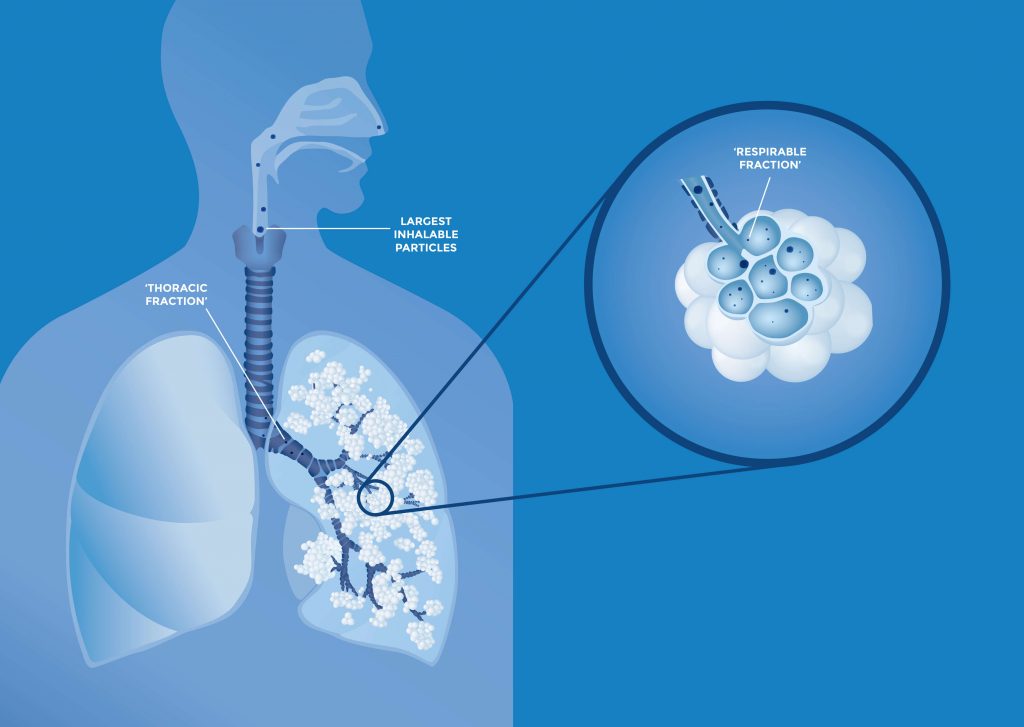 Fiberglass Particles In Lungs at Morgan Hamilton blog
Worry is really about prolonged and unprotected contact. If you're handling insulation boards every day for a living, wear a mask — and feel good knowing that adds decades worth of protection to an already robust system.
Seriously, a simple N95 respirator or even a good dust mask changes the game. It takes nothing away from your comfort and filters out most of the trouble before it starts.
Simple Habits That Make All the Difference
Always wear a face mask when cutting or handling fiberglass boards. Shower right after the job and toss those clothes straight into the laundry.
Keep windows open for airflow and run a fan if you can, so airborne fibers get pushed outside. A little ventilation goes a long way toward keeping your breathing airflow smooth again.
If you're doing periodic home projects, grab a dust mask before you start instead of after you've already coughed twice. Prevention is always lighter on your lungs than cleanup.
Final Thought
Most fiberglass passes through your respiratory system in days to a couple of weeks, and your body handles thousands of tiny irritants without you ever noticing. The exception is regular, maskless contact — that's the scenario worth avoiding.
So the next time you crack open an attic insulation pack, throw on a mask, have a laugh about it, and trust that your lung janitor team has it covered. You'll be breathing easy again in a hurry.
